August 2025 | Volume 3 | Issue 1 | Previous Issues
We are tremendously excited to introduce the Teaching Effectiveness Framework (TEF) to the VTSU community. This evidence-based framework was developed by colleagues at Colorado State University and peer-reviewed by the Accelerating Systemic Change Network (ASCN) in 2023 with excellent ratings. Throughout the upcoming academic year, we’ll be detailing the seven domains in this newsletter. Our teaching tip for this month is to start exploring the Teaching Effectiveness Framework.
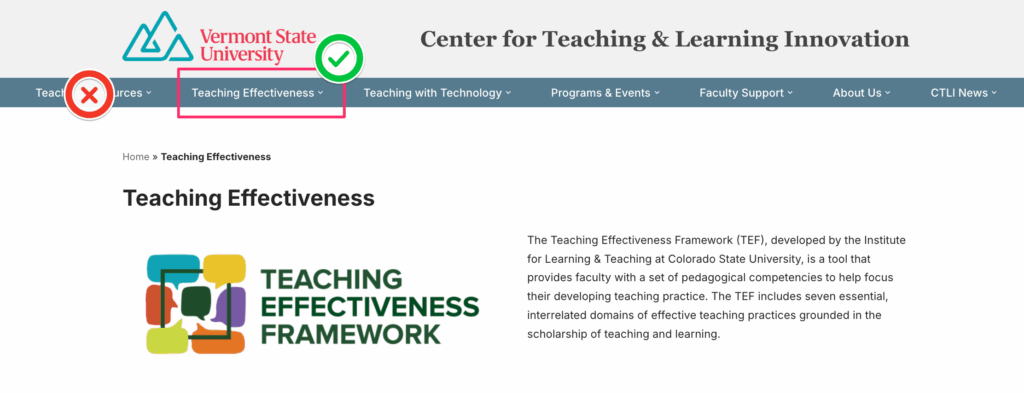
We believe so strongly in the TEF that we have used it to re-organize the teaching resources on our website. On September 2, we will delete the old “Teaching Resources” menu; all teaching resources can be found under the new “Teaching Effectiveness” menu.
Why is a framework helpful?
Talking about “good” or “effective” teaching can seem vague – what does that mean in practice? A framework provides a conceptual map for considering areas of interest, focus, strength, and opportunity. The Teaching Effectiveness Framework defines seven domains:
- Classroom Climate
- Curricular Alignment
- Feedback & Assessment
- Inclusive Pedagogy
- Instructional Strategies
- Pedagogical Content Knowledge
- Student Motivation
Beyond a conceptual framework, what does the TEF offer?
The TEF includes evidence-based, practical approaches to incorporate into your teaching. Each domain offers suggestions for getting started along with additional approaches for diving deeper into the domain. For instance, if you are curious about Instructional Strategies for active learning, you may want to begin by incorporating a relatively easy intervention into your teaching, such as a Think-Pair-Share, Make a Prediction, or Jigsaw.

If you’re ready to dive deeper, you might explore incorporating Punctuated Lecture, novel Discussion Facilitation techniques, Service Learning, or the Testing Effect into your teaching.
In addition to practical usage ideas, the TEF also provides self-reflective rubrics for each domain to consider areas of personal strength and opportunity.
Is the TEF intended to be used for evaluation?
The TEF is designed to be developmental and self-reflective; it is not intended to be used as a stand-alone evaluative tool but rather as a resource for goal setting and reflection within an iterative process.
Individual faculty may choose to include information from their work using the TEF in their reappointment, promotion, and tenure documentation, however, this is an individual choice that recognizes that meaningful measures of teaching must separate the impact of the instructor from the many other factors that affect the attainment of educational outcomes.
Teaching is a developmental process that takes time, experience, reflection, and support; the TEF is intended to be used as a supportive and self-reflective tool to improve teaching effectiveness and student success.
How much time is recommended to spend on a single domain?
Faculty are encouraged to engage with the TEF in a slow, deliberate, and iterative process. In fact, faculty may choose to spend a full year or two developing their practice in a single domain before moving to another one.
What is the process to use the TEF?
We recommend utilizing a 4-Step Process when engaging with the TEF.
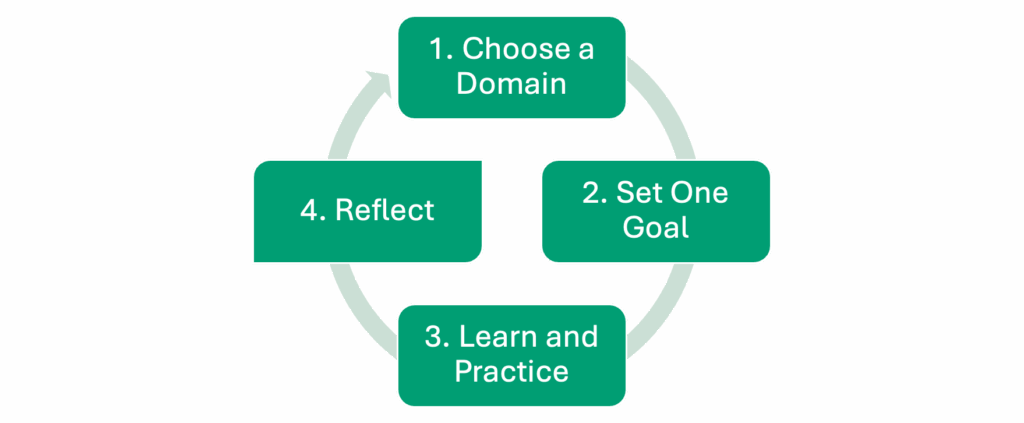
- Choose a Domain: Begin the goal setting process by choosing one of the seven domains. To choose a domain, consider feedback from students, colleagues, or supervisor, and/or identify the TEF domain that most intrigues you. Your department might consider a domain to focus on for a year.
- Set One Goal: Once you choose a domain from the Teaching Effectiveness Framework (TEF), navigate to the ‘Seven Domains’ section of this page and click on the domain in which you would like to grow. Then, review the contents of the page and set a goal for improving your teaching [Word document].
- Learn and Practice: Attend professional development offered by the CTLI and other campus partners that aligns with the domain of the Teaching Effectiveness Framework and your teaching goal. Integrate evidence-based teaching practices into your classroom and keep track of how students respond to these integrated practices.
- Reflect: Collect evidence of teaching successes aligned with your teaching goal. Reflect on what went well, how you know, and what you will revise as you continue to refine your teaching practice.

Anna O’Shea
This month, we have the pleasure of highlighting the work of Anna O’Shea, Assistant Professor of Business Administration, Johnson Campus.
Please tell us a little bit about your background and what brought you to VTSU?
I grew up in Vermont and have always been passionate about connecting students with real-world experiences through internships and career-focused learning. My background in business and education led me to Vermont State University. As a Business Professor at VTSU, I help students develop practical skills alongside their academic growth. I enjoy being part of a community that values both hands-on learning and student success.
What do you do to build rapport and community within your classrooms during the first few weeks of the semester?
In the first few weeks of the semester at VTSU, I focus on creating a welcoming environment where students feel seen and heard. I use low-stakes activities that encourage sharing and connection. For example, in my Human Resources Management course, I have students pair up to interview one another using get-to-know-you questions, and then introduce their partner to the class.
What important lessons have you learned from VTSU students that have shaped you as a teacher?
VTSU students have taught me the importance of adaptability and listening to diverse perspectives. This has inspired me to create more inclusive and student-centered learning experiences. For example, in my Marketing course, students outline a campaign targeting a diverse audience, researching cultural, social, and economic differences to create authentic and thoughtful strategies.
What is something people would be surprised to know about you?
I just got a Golden Retriever puppy this summer!
What advice or tips do you have for faculty members who recently joined our new university?
Take the time to connect with your students and colleagues—it is key to building a strong sense of community.

Fall 2025 – Book Group
This fall, join your colleagues for a book group on The Present Professor.
Description:
It’s hard to learn when you’re under stress, and a lot harder when your teacher is struggling with stress, too. In a world where stress is unavoidable—where political turmoil, pandemic fallout, and personal challenges touch everyone—this timely book offers much-needed guidance for cutting through the emotional static that can hold teachers back. A specialist in pedagogical strategies with extensive classroom experience, Elizabeth A. Norell explains how an educator’s presence, or authenticity, can be critical to creating transformational spaces for students.
And presence, she argues, means uncovering and understanding one’s own internal struggles and buried insecurities—stresses often left unconfronted in an academic culture that values knowing over feeling. Presenting the research on how and why such inner work unlocks transformational learning, The Present Professor equips educators with the tools for crafting a more authentic presence in their teaching work.
At a time of crisis in higher education, as teachers struggle to find new ways to relate to, think about, and instruct students, this book holds a key. Implementing more inclusive pedagogies, Norell suggests, requires sorting out our own identities. In short, if we want to create spaces where students have the confidence, comfort, and psychological safety to learn and grow, we have to create spaces where we do, too. The Present Professor is dedicated to that proposition, and to helping educators build that transformational space.
Meetings:
The book group will be meeting via Zoom on the following dates:
- Friday, September 26th (9:00-10:30a)
- Wednesday, October 29th (9:00-10:30a)
- Friday, December 5th (9:00-10:30a)
How to Sign-up:
To sign up for the group, please sign into your VSC account and submit the following form. The deadline for joining the group is Friday, September 5th.

Faculty Learning Community
The Center for Teaching & Learning Innovation is organizing a faculty learning community (FLC) for the upcoming 2025-2026 academic year, which will focus on generative AI.
An FLC is an interdisciplinary group of faculty members who collaborate with their peers to explore a topic of interest related to teaching and learning. It is structured as a year–long program in which the group shares ideas, provides encouragement and support, and develop impactful innovations.
In addition to learning from one another and relevant articles/podcasts, the FLC colleagues will be working together on one of the projects below, as selected by the members of the group:
- Developing Updated AI Literacy Modules for Students
- Developing AI Literacy & AI Resources for Fellow Faculty
- Co-Authoring OER Content with AI for Teaching
- Developing Custom Chatbots to Support Student Learning
- Creating Assignments in the Age of Generative AI
If you are interested in learning more about the group, please email the CTLI’s Associate Director, Jeff Tunney, at jeffrey.tunney@vermontstate.edu.
Updates related to progress of the FLC will be shared in future newsletters.
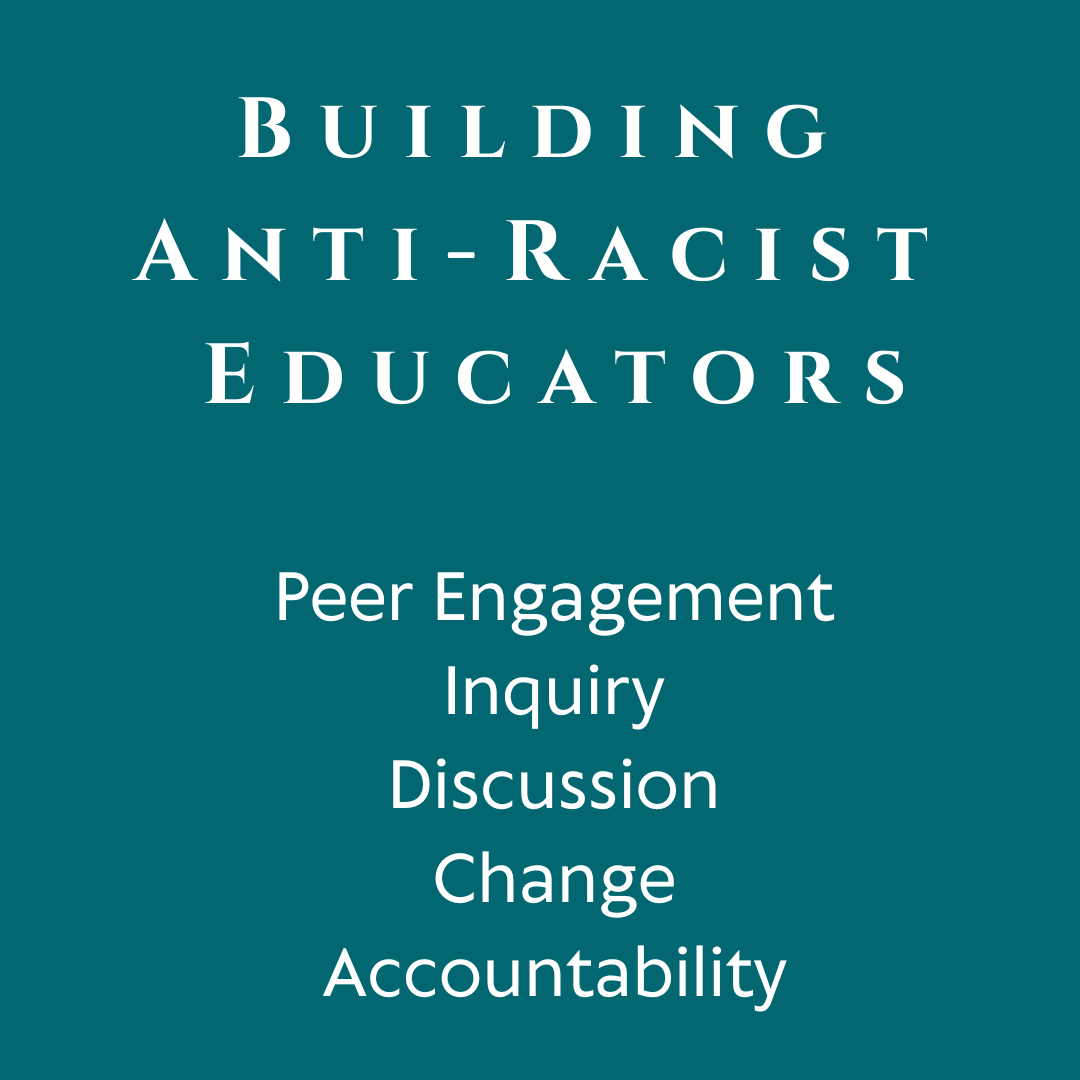
Building Anti-Racist Educators: Reading & Inquiry Series
This Reading and Inquiry Series provides a monthly set of tools for learning, introspection and having conversations about issues of racism in our university, classrooms and communities. We hope that through regular reflection and conversation, you can get better at recognizing and resisting your biases and the impact they have on your students and colleagues.
Meetings:
The group will be meeting via Zoom on the following dates:
- Monday, September 15th (12:00-1:30p)
- Monday, October 20th (12:00-1:30p)
- Monday, November 17th (12:00-1:30p)
- Monday, December 15th (12:00-1:30p)
How to Sign-up:
To receive a calendar invitation, Zoom link, and access to the group’s Canvas space, please fill out the Vermont State Colleges Building Anti-Racist Educators Sign-Up Form.
Vermont State Colleges System 2025 Academic Retreat
The VSCS Teaching & Learning with Technology committee is excited to announce that this year’s academic retreat is being held on Vermont State’s Randolph campus on Friday, October 10th from 9:00am-3:30pm.
This Year’s Theme:
A+ at the VSCS: Accessibility, AI, and Approaches to Technology
Keynote Speaker:
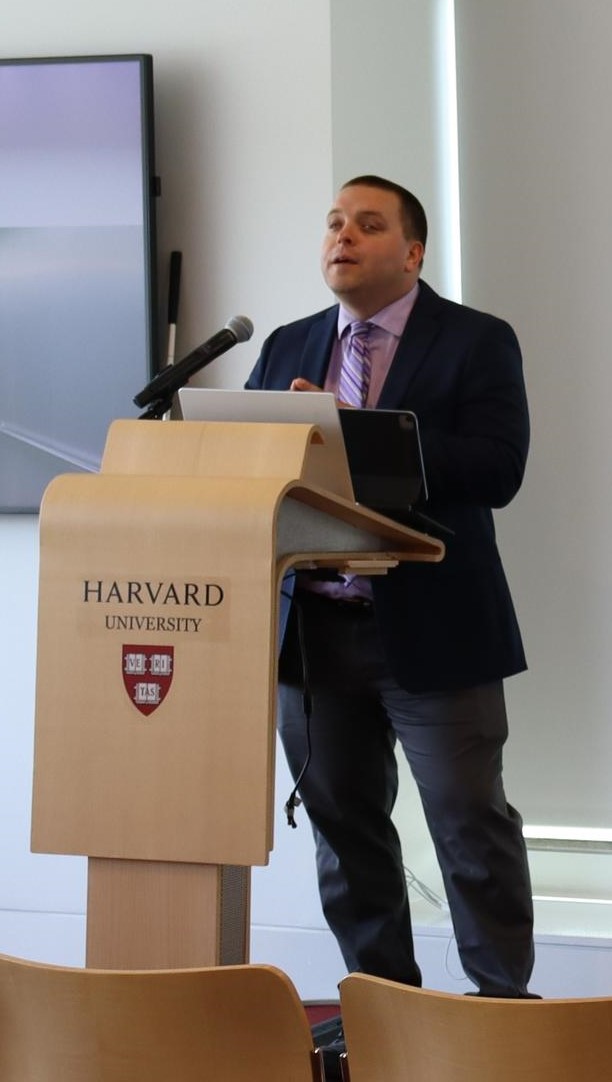
Kyle Shachmut
Senior Director of Digital Accessibility, Harvard University
Kyle is the Senior Director of Digital Accessibility at Harvard University, providing strategic direction to digital accessibility efforts across Harvard’s schools. He frequently works at the intersections of information technology, disability inclusion and academic administration. He led creation of Harvard’s Digital Accessibility Services team and collaborates with institutional leaders to guide governance of the University’s Digital Accessibility Policy. Previously, his focus area included a universal design approach integrating accessibility into at-scale learning experiences through HarvardX—Harvard’s initiative that creates online courses through the Office of the Vice Provost for Advances in Learning.
Beyond Harvard, Kyle is co-chair of the EDUCAUSE IT Accessibility Community Group, the largest affinity group for accessibility professionals in higher education. He has advocated for greater accessibility in community and professional associations for over a decade, advising local state and federal policymakers. In 2021, he received the ‘Rising Star Award’ among higher ed technology professionals from Educause.
Outside of higher education, Kyle serves on the Global Leadership Council of the International Association of Accessibility Professionals (IAAP). The GLC provides governance and direction to the IAAP, which his a membership organization that helps advance the profession through certification, continuing education and member support. Kyle frequently consults speaks and writes about matters related to digital accessibility, public policy, technology in education, universal design and more.
Want to Lead a Session?
The TLT is looking for passionate faculty and staff to share their expertise! Submit a workshop proposal (included in the registration link below) by August 29th, 2025 and help shape the conversation.
Register Now!
All members of the VSCS community are welcome. Please complete your registration by September 15th, 2025 so the TLT can plan for food and logistics.

Upcoming Workshops
- March 16 @ 12:00 pm – 1:00 pm
Spring 2026 Digital Accessibility Series: Writing Alt Text, Image Descriptions, and Captions
- March 16 @ 1:00 pm – 2:00 pm
Spring 2026 Panorama Playground Series: Math Formulas
- March 19 @ 3:00 pm – 4:30 pm
Building Anti-Racist Educators: Reading & Inquiry Series – March Meeting
- March 20 @ 11:00 am – 12:00 pm
Spring 2026 Panorama Playground Series: Math Formulas
- March 23 @ 12:00 pm – 1:00 pm
Program Assessment: Collecting and Evaluating Indirect Evidence
- March 27 @ 2:00 pm – 3:00 pm
Program Assessment: Drop-In Office Hours
- March 30 @ 12:00 pm – 1:00 pm
Spring 2026 Series on Writing & Generative AI: Navigating AI when Teaching Research & Information Literacy
- March 30 @ 12:00 pm – 1:00 pm
Spring 2026 Digital Accessibility Series: Exploring Alternatives to PDFs
As you likely know, starting in April 2026, all public higher education institutions of our size must be compliant with new regulations for accessibility of digital content. The regulations are based on the WCAG 2.1 AA standards, which are written for a technical audience.
In the CTLI, through the EdPros workshops, reading, and LinkedIn Learning courses, we have been gaining knowledge of digital accessibility. And we are creating tutorials on some of these key skills for faculty, translating the technical standards for general users.
Check out our first tutorial on the Top 5 Best Practices for Creating Accessible Hyperlinks. And see if you can ace the knowledge check at the end!
If you have feedback on the tutorial or topics you’d like to see us cover in future months, let us know by emailing ctli@vtsu.edu. Thank you so much.
Student Success
Disability Services
Disability Services has hired Autumn Piletz as the Coordinator of Disability Services primarily focused on the Randolph and Williston campuses. Additionally, in the updated CTLI syllabus templates, the ADA section now includes direct links to the forms students can use to disclose a disability and request accommodations, as well as for returning students to request an updated accommodation memo for the semester.
Multilingual Services
Multilingual learners—students who use more than one language in their daily lives—are a vital part of our campus community. They include international students, recent immigrants, refugees, heritage speakers, and U.S.-born students from bilingual or multilingual households. With Vermont and VTSU seeing growing linguistic diversity, our students speak Arabic, Nepali, French, Spanish, Vietnamese, Japanese, Mandarin, and more alongside English. They contribute global awareness, cultural insight, and unique problem-solving skills that enrich classroom discussions and campus life.
The VTSU Multilingual Student Services office supports these learners through in-person ESL language courses, free English proficiency evaluation, one-on-one and small group tutoring in academic reading, writing, speaking, and listening, and workshops on study skills, research strategies, and intercultural communication. We also collaborate with faculty to foster effective classroom practices and adjust assessments to support this population’s success. Descriptions of services and resources for both students and faculty working with this population can be found on the Multilingual Student Services webpage [Sharepoint].
Faculty can refer students at any point in the semester by emailing Mary Dinh at Mary.Dinh@VermontState.edu with the student’s name and a brief note about the observed need. She will follow up with the student directly to connect them with the most appropriate services so they can thrive academically and contribute fully to our campus community.
Online Administration
Adult Learning Theory: Many of our online learners are 25 or older. Principles of andragogy can guide course development and approaches to teaching that more deeply engage adult learners and increase persistence and retention. This fall, VTSU Online and the CTLI are offering 4 opportunities (once per month) for you to gain ideas about how to incorporate adult learning theory into your online teaching:
- Wednesday, September 24 @ 12:15 pm – 1:15 pm: Adult Learning in Online Classes at VTSU
- Thursday, October 2 @ 12:15 pm – 1:15 pm: Adult Learning in Online Classes at VTSU
- Wednesday, November 5 @ 12:15 pm – 1:15 pm: Adult Learning in Online Classes at VTSU
- Thursday, December 4 @ 12:15 pm – 1:15 pm: Adult Learning in Online Classes at VTSU
Shared Services Information Technology
YuJa Panorama: We have purchased Panorama as a plug-in for Canvas to audit and help improve the accessibility of your courses. Panorama is available now. Click on the Panorama link on the left menu of any Canvas course. You can review an overall accessibility score for your courses as well as scores for individual components of your courses (e.g., per page, per document, per quiz, etc.).
Accessible content enables every learner to succeed. To begin learning more, please review the Panorama guided tutorial.
And plan to attend one of the upcoming sessions with a Panorama trainer from YuJa for an in-depth orientation and to ask your questions:
- Monday, September 8 @ 12:15 pm – 1:15 pm: Introduction to Panorama for Digital Accessibility
- Thursday, September 18 @ 12:15 pm – 1:15 pm: Introduction to Panorama for Digital Accessibility